2 sew .co

  • ✄✐✂
  • |
  • ➦Equipment
  • |
  • Fashion Design
  • |
  • ➽Learn 2 Sew
  • |
  • ✔Links
  • |
  • Machines ₪
  • |
  • skool
  • |
  • Tutorials☜
  • |
  • Advertising
  • |
  • Patterns
  • |
  • Removing Stains

How to Choose a Sewing Machine

divider


Buying a sewing machine is an exciting investment that promises hours of

 creative enjoyment!

 Before choosing the best machine for you,

 here are some helpful points for you to consider.


 JANOME !


Attention all beginning sewers (or those who have thought about it) "how to sew using a sewing machine" -- This is a SUPER great beginner guide


divider


My best advice is buy the right tool for the job!


 If you're new to the world of sewing get a FREE one ...


Look on freecycle.org to see if there is anyone offering a sewing machine,

 i have helped many of my friends get sewing machines and fabrics this way,

  Fabrics and curtains are often given away for free, locally 

  great materials to practice making your first sewing projects


 We hope to make it much easier to buy a sewing machine with this guide.


Things to Consider

Don't expect a cheap light weight sewing machine to sew up your heavy weight curtains, jeans and cushions trouble free, it just wont happen 

wherever you buy your new sewing machine from, it should be 'fit for purpose'.


Who is Going to Use the Sewing Machine?

If the sewing machine is for yourself, then you will know better than anyone the kind of projects that will be undertaken on the machine. However, if you are buying for someone else, it can be a little trickier, so some investigation work may be required! For example, what the recipient wants the machine for and what their current knowledge and experience is of sewing machines. 

How Often will the Sewing Machine be Used?

You don't want to buy a large complicated machine with all the bells and whistles if you or the person that you're buying it for will only use it once every couple of weeks. On the other hand, someone who has experience with machines and undertakes regular work will need a machine with lots of different stitch functions and time saving add-ons - Such as a quick drop bobbin case and a one-step buttonhole stitch function.

How is the Sewing Machine Going to be Used?

What is needed from a machine is going to vary from person to person. Someone who makes curtains and clothes is going to want a completely different machine to someone who does machine embroidery. It's worth making a list of the things that you want from your new sewing machine before you start hunting around and then refer to this list when you search in shops and online.

Feedback from other sewing machine owners is invaluable. They can advise you of useful features to have on the machine that you've perhaps not thought of or considered, as well as advice on brands or machines to steer clear of, or that they wouldn't be without.

Types of Sewing Machines .....               


Mechanical Sewing Machines

These are machines that are not operated by electricity and are the most basic of sewing machines. They need a bit of muscle power as you will need to use a wheel (or dial) on the side of the machine to get the needle and bobbin to move. Nowadays mechanical machines are rarely manufactured and are predominantly vintage models, such as the now iconic black Singer sewing machine. Despite the lack of mod cons, these machines are great for basic projects and will sew through most materials (best suited for light-to medium-weights of fabric). This type of machine is predominantly used by those who undertake lighter sewing projects.

Electronic Sewing Machines

As the name suggests, these types of machine are powered by an electric motor that powers the mahines lights (if it has one), the needle and bobbin. Electronic machines are operated by a foot pedal on the floor;it's just like driving a car, the more pressure you apply with your foot pedal, the faster you stitch. To reverse stitch you will need to use the designated lever on the main body of the machine.

Electronic machines are the best all-round machines and cater to a range of sewers, as they feature a plethora of stitch patterns, and the tension and stitch length can be altered to allow for a multitude of materials and threads to be used.

Computerised Sewing Machines

Computerised machines are generally speaking used by experienced machinists. The machines feature an abundance of stitch functions and ways in which they can be tailored to the individual's sewing needs. Instead of a selection dial to choose what stitches you want to use, there's a touchpad or key that can be pressed. The number or sample image of the stitch will then appear on a screen. On certain specialist machines you can upload embroidery patterns that have been downloaded from the internet. And on some, you can even design your own stitches and embroidery patterns!

Computerised machines tend to be more expensive than both electronic and mechanical machines and are best suited to professional sewers who will be using the machine to make and sell their creations, and who use their machine on an almost daily basis.

Overlockers

These are a type of finishing machine, mainly used by those who make their own clothes and crafters who sell their wares, as the machine gives a neat and professional finish. The machine can sew a seam, finish the edge and trim excess fabric all in on go.

Overlockers are great for simple projects where no extras such as zips or button holes need to be added, as the machines are not equipped to do this.

Tip! - It's always best to have a trial run on the machine before overlocking the final piece, as the machine handles very differently to a standard sewing machine and some practice may be required!


Weight and storage

Will it need to be packed up and put away after each use? Will you be taking it to classes? Consider weight: you don’t want to have to lift a heavy machine more often than is necessary.  

Do you need storage space for accessories? Many of our machines come with a storage area underneath them which can come in handy when space is limited.  

Most models come with a soft cover or a hard cover to protect your machine from dust. Consider buying a sewing machine bag for safe and easy transportation.


All sewing machines come with a range of accessories that compliment the sewing machine perfectly and

these are stored in what's known as a an accessories box. The accessories box is designed to fit snugly

around the free-arm of the sewing machine that can be removed very easily. So easy is the use of the

accessories box that it is right in front of you at all times and so every thing inside is available when it is

needed.

Inside the box are small prongs and plastic pockets so that every sewing accessory has its place. These

moulded parts house sewing presser feet, spare needles, thread guides, bobbins, brushes, screw drivers etc.

What's in the box?
The main accessories that you will find with the sewing machine can differ from model to model but
essentially they will house roughly the same tools and equipment that is needed with your specific machine.
The main accessories needed with the sewing machine are:
A selection of the main presser feet to accommodate everyday sewing tasks.
A selection of 4 or 5 spare bobbins and a spare selection of machine needles.
A spare sewing machine bulb.
A small screw driver, a cleaning brush, spool holders (thread discs), a sewing guide, sewing machine oil.
An un-picker (seam ripper)and a tape measure.


Types of Machine Needle

Buying needles for your chosen sewing machine can be almost as daunting as buying the machine itself! Hopefully the below will help clarify things. If in doubt, always check the packaging as it should tell you the size of the needle and materials on which it can be used.

Universal Needles

The point is ever so slightly rounded for use on knits, yet sharp enough to pierce woven fabrics. Available in a wide range of sizes, use them when stitching synthetic or natural woven fabrics and knits, with specific universal needles used for fine and heavy weight fabrics.

Ball Point Needles

These needles have a slightly more rounded point than universal needles, passing between the fabric threads instead of piercing them. They are great for use on spandex and knitted fabrics that snag easily.

Embroidery Needles

Embroidery needles have a larger eye and a specially designed scarf (small recess above the eye of the needle) that protects the thread against breaking or shredding.

Metallic Needles

These needles are designed specifically for use with metallic threads. The needle features a larger eye than an embroidery needle, a fine shaft (main body of the needle) and a sharp point to prevent thread breakage and shredding.

Sharps Needles

These needles feature a deep scarf so the bobbin hook can get closer to the needle eye and avoid skipped stitches. Ideal for stitching silk jersey, Lycra and any highly elastic lightweight knits.

Two-Sided Zip Foot

Two-Sided Zip Foot

This foot clips on to the sewing machine like any other presser foot. However, instead of clipping onto the centre of the foot, it clips onto either the right or left side - Dependent on which side of the zip you are stitching. The foot allows you to get closer to the teeth of the zip than a standard presser foot.

Buttonhole Foot

Buttonhole foot

There are two types of buttonhole foot. The shorter of the two is known as a sliding buttonhole foot, it's used for a four-step buttonhole where you have to alternate between horizontal and vertical stitches of the buttonhole using the stitch selector on your machine. To get the correct size hole you will need to measure the diameter of the button, you will then need to draw a horizontal line the length of the measurement where you would like the buttonhole to be positioned using tailors chalk.

The longer foot is an automatic buttonhole foot (for a one-step buttonhole). Choose the buttonhole function on your machine, lower the presser foot, pull down the buttonhole lever and apply pressure to the foot pedal - and let the machine do the rest!

There is space on the foot for you to fit your button in an adjustable gauge at the back of the foot. In turn this allows the sewing machine to determine the size of the buttonhole needed.

Sewing Machine Know-How

A brief glossary of all the key terminology :

Back Stitch Pedal

As the name suggests, this lever allows the user to stitch backwards.

Bed

The flat surface of the sewing machine. There are machines known as 'flat bed sewing machines' that have one level surface to sew on.

Bobbin

The bobbin is the metal or plastic cylindrical shape that is housed in the base case of the machine. Before commencing sewing on the machine, thread will need to be spun onto the bobbin and then inserted into the bobbin housing in the bed of the machine.

Bobbin Case

Houses the bobbin and provides tension on the lower thread of the machine. In most cases the bobbin housing is located in the bed of the machine directly under the needle plate.

Bobbin Spool

Usually found on top of the machine on the right hand side. To start spinning on the thread you will need to clip the bobbin on to the bobbin spool. Start by winding a little of the thread in a clockwise direction and then slide the spool and the bobbin over to the right and then apply pressure to the foot pedal. The thread should then start winding onto the bobbin case and once the bobbin is fully wound the machine should stop automatically. However, if you do not need a full bobbin of thread, simply take your foot off the pedal and the machine will stop.

Buttonholes

Buttonholes are the holes into which the button on items of clothing and other projects goes into. Most new machines will have a function and included foot that will allow you to simply apply pressure to the foot pedal and away the machine goes - Some will even stitch the button on for you!

Buttonhole Lever

This is a lever positioned just to the left of the presser foot. It is pulled down when using the one-step buttonhole function on a sewing machine.

Feed Dogs

These are the teeth on the bed of the machine positioned under the presser foot. They feed the fabric through the machine when you are stitching.

Foot Pedal

This is usually positioned on the floor and controlled using your foot. The greater the pressure that is applied the faster the machine will go.

Free Arm

The free arm of a machine is usually concealed in the bed of the sewing machine;all you need to do (in most cases) is pull the draw to the left, thus allowing you to remove the storage compartment leaving a protruding section of the machine (usually cylindrical in shape) which allows you to sew items such as trousers, shorts and sleeves.

Hand Wheel

Found on the side of the machine and moves round whilst you are stitching. It can be hand-operated (clockwise direction) if the height of the needle needs to be adjusted or if only one or two stitches are needed. The hand wheel should not be turned anti-clockwise.

Integrated Drop Feed

Where the teeth of the machine drop down allowing the fabric to move more freely through the machine, a useful feature to have when carrying out a lot of machine embroidery.

Integrated Dual Feed

A useful function to have when sewing two pieces of fabric together. It allows the fabric to run through the machine freely and stops any lumps, bumps or ruching from occurring whilst you are sewing.

Needle Plate

Found on the bed of the machine, directly underneath the needle. In most cases it is a metal plate with a hole in it to allow for the needle passing through.

Presser Foot

The metal foot that presses down onto the fabric and stops it from moving whilst you are stitching.

Presser Foot Lever

The lever (usually positioned to the back of the machine) allows the user to raise and lower the presser foot.

Stitch Selector

The dial that allows the user to select what stitch they would like to use.

Twin Needle

These machines have two needles that run parallel to one and other and allow for more decorative stitching.


The Janome Sewing Machines are ideal for not only beginners but also professional seamstresses who need precise control of straight stitch for projects.


Think about what you want the machine for now,

and what you might want to do with it for the next 10 years 

Some things you should watch out for!

Remember the old saying 'buy cheap, buy twice'. 

The UK market is flooded with cheap brands
DON'T be tempted by the price tag or claims the sellers make, if the largest sewing machine manufactures in the world like Janome or Brother can't make a reliable sewing machine to retail for less that £50 then it just can not be done,

it might not be possible to find anyone able to service it or find spare parts.

Buy from the right agents / retailers, this business is fairly unique in that once you've bought from a specific retailer you might be stuck with them because your guarantee is with them, not any other dealer / retailer or the manufacture. 

If you go anywhere else during your warranty period, you will probably have to pay for the service you receive!

The Janome 2000 SERIES Sewing Machine is the least expensive in the range

It has 14 built in stitches including a simple to operate 4-step buttonhole. It has a front loading bobin, which is quick to load, aoutomatic winding of the bobbin, spool pins that drop down for storage and soft cover plus weighing 6.5kg it's lightweight.

The sewing accessory box, lifts out of the way to reveal a free arm for circular stitching work. , snap-on feet, a push button reverse lever, and recessed tension unit for lay-in threading, its a budget priced sewing machine in a lightweight package that will suit the occasional sewer.

Stitch length and the zig zag is adjustable via the two dials . It has a good range of stitches, even stretch and overlock stitch as well as having the ability to use twin needles as an option.

easy to follow numbered and arrowed thread path gets you down to the needle where it threads front to rear, get the job done in s


The 4 step buttonhole foot means fast and neat buttonholes. The detachable storage box converts the flat bed into a convenient free arm and allows easy access to difficult areas like sleeves and trouser legs.

The extra height foot lifter doubles the height of the foot and allows for extra bulky fabrics and the independent stitch width and length adjustments increase the versatility.

The Janome 2090 also has 2 handy pull up/push down spool pins for ease of use and safe storage. And because there are 2, you can really be creative using twin needles. All this, plus quick foot change, a reverse stitch lever, a one-hand thread cutter.

Main Features

  • 14 Stitch Selections

  • Front Loading Bobbin

  • Variable Stitch Length

  • Variable Zig Zag Width

  • Variable Stitch Length

  • Convertible Free Arm

  • Stretch Stitches

  • Satin Stitches

  • Quick Change Snap on Feet

  • Approx 7kg

Standard Accessories

  • Zig Zag Foot

  • Buttonhole Foot

  • Set of Needles

  • Free Hand Embroidery Plate

  • Seam Ripper

  • 3 Bobbins

  • Soft Cover

  • Instruction Booklet

  • Foot Control/Power Lead

Main Features

  • 14 Stitch selections
  • Front loading bobbin
  • Variable stitch length
  • Variable zig zag width
  • 4 step auto buttonhole
  • Stretch stitches
  • Satin stitches
  • Weight 7kg approx.

Accessories

  • Zig Zag Foot
  • Buttonhole Foot
  • Set of Needles
  • Darning Plate
  • Seam Ripper
  • Bobbins
  • Soft Cover
  • Operational Manual
  • http://www.sewingmachinediscount.co.uk/product/1310/janome--2060-2032-2080-2030-all-the-same-machine-just-different-coloured-dials-or-panels.html


The new Janome 521s sewing machine.

A lightweight machine with a top loading, jam proof bobbin system and convertible free arm for circular sewing. 

The machine features 20 stitches and has an automatic four step buttonhole. It offers both stitch width and length adjustment and a drop feed facility for freehand embroidery and darning The 521 also has an auto-declutch bobbin winder and is supplied with a hard cover.


Main Features:

  • 20 Stitch selections
  • Top loading bobbin
  • Variable stitch length
  • Variable stitch width
  • 4 Step buttonhole
  • Adjustable foot pressure
  • Drop feed facility
  • Stretch stitches
  • Satin stitches
  • Hard cover
  • Free arm storage compartment  

Standard Accessories:

  • Machine Cover
  • Adjustable Blind Hem Foot 
  • Buttonhole Foot 
  • Zig-Zag Foot 
  • Zipper Foot 
  • Satin Stitch Foot 
  • Set of Needles 
  • Screwdriver 
  • Seam Ripper 
  • Lint Brush 
  • Bobbins (4) 
  • Spool Holder 
  • Additional Spool Pin
  • Spool Pin Felt 


http://www.sewingmachinediscount.co.uk/product/99/521.html


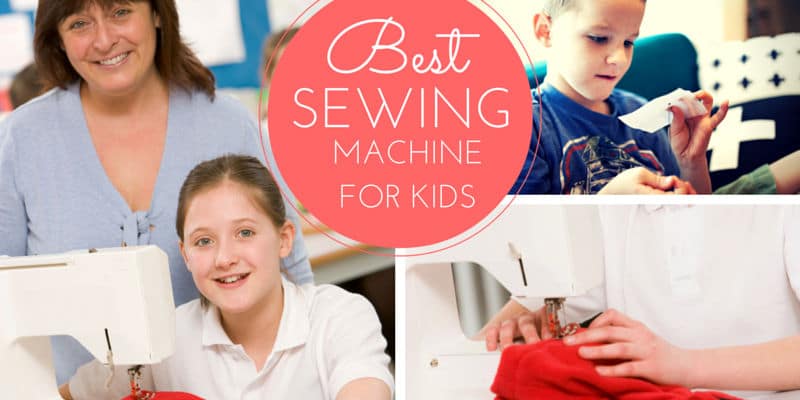
BEST SEWING MACHINE FOR KIDS

When you are first looking for a sewing machine for kids, you want a real machine that is uncomplicated, lightweight, and allows the child to sew at their own pace. Look for a sewing machine that focuses on safety (to prevent having the child from sewing their fingers into the fabric), while still inspiring them to learn and hone their craft. The Janome Fast Lane has the presser foot with finger guard feature. This is a great addition for the safety of your children.

The top 6 aspects to look for in a sewing machine are:


Pedal/Push-Button: Deciding on whether to get a pedal or push button sewing machine for your child will be based on whether your child feels comfortable pushing on a pedal with her feet while using her hands to feed the fabric through the sewing machine. If your child has a difficult time, then you can go with a push-button model.

Feet: Feet are a very important aspect to look for in a sewing machine. Some models have ones that fall off at the slightest touch or will have your child sewing her fingers together. Look for a machine that has snap-on feet that securely stay in place. If you are worried about the feet falling off, get the models where the feet attach on with screws.

Thread-Feeding: Threading the needle may be the most frustrating aspect for children when they are learning to sew. You want to select one that has easy-to-follow diagrams so a child can practice. If you know that your child will drop the hobby in a heartbeat because she doesn't have the patience to thread the needle herself, several beginner models have an auto-threader.

Speed Control: Look for a machine that offers an even and consistent speed to allow the child to have more control. Normally a child will have more control over the speed with the push-button models versus the pedal that they may not be able to use effectively.

Stitch Variety: Don't go overboard with buying one that has hundreds of stitch options. Less is better in this case as a novice child can have fun with a machine with 6 stitches while an advanced child can handle up to 25 stitches. Look for the basic stitches such as reverse, zigzag, and straight.

Bobbin Winding: The machine should have a bobbin slot that is easy to find and open for the child's small fingers. The bobbin should also be easy to install into the slot and wind up so the child doesn't get frustrated.

Besides the 6 aspects that I have listed above, other options you may want to look for are warranties (since children can get rough with their machines), weight of the machine in case the child wants to take it to a friend's or grandparent's house, and a finger guard to prevent accidents.